
Category Archives: Our Blog

Breaking the Cycle: A Guide to Parental Anxiety and Intergenerational Transmission

Is Anxiety Your Child’s Emotional Legacy? Breaking the Intergenerational Cycle

By Dr. Bandara Bandaranayake, PhD

As a psychotherapist, I often see parents who come to me with a heavy heart, seeking help for their children. They describe adolescents struggling with paralyzing panic attacks, self-harming tendencies, or academic burnout. However, as we peel back the layers of these family dynamics, a hidden truth often emerges: the anxiety the child is carrying is not theirs alone.

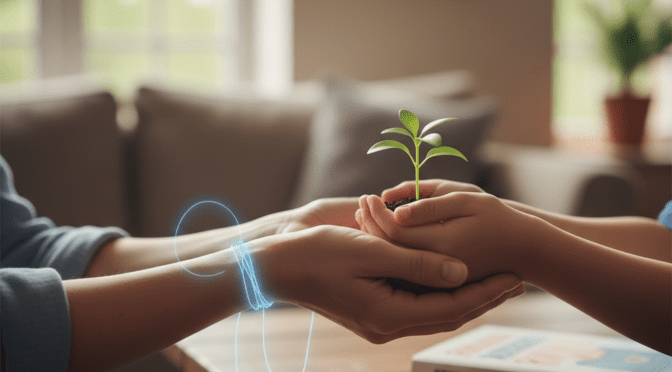
In many cases, it is a “family heirloom”—an intergenerational transmission of anxiety passed down from parent to child, often completely unknowingly.

The Hidden Transmission of Anxiety

In my recent publication, Feeding Anxiety to Your Kids: Exploring Parental Anxiety and Its Intergenerational Transmission, I dive deep into the often-overlooked phenomenon of how our internal emotional state shapes our children’s psychological blueprints.

Anxiety is not just “in the genes.” It is transmitted through the atmosphere of the home, the hypervigilance in our voices, and the overprotective boundaries we set in an attempt to keep our children safe. While these behaviors come from a place of love, they can unintentionally teach a child that the world is a fundamentally dangerous place.

The Vulnerable Windows: When Children Absorb the Most

Children are like emotional sponges, but there are specific “critical stages” where they are most vulnerable to absorbing parental distress:

  • Pregnancy: The neurobiological environment begins in the womb.

  • Early Childhood: When foundational “attachment styles” are formed.

  • Adolescence: A time of rapid brain development where parental catastrophic thinking can trigger severe emotional dysregulation.

My research integrates evolutionary psychology and neurobiology to show that when parents struggle with undiagnosed or unacknowledged anxiety, it manifests as emotional unavailability or inconsistent parenting. This “feeds” the anxiety of the next generation.

The Science of Hope: Breaking the Cycle

The most important message of my work is one of optimism. While the transmission of anxiety is powerful, the human mind’s power to rewire itself is even greater.

Breaking the cycle requires deliberate action. By utilizing strategies from clinical hypnotherapy and psychodynamics, parents can learn to regulate their own nervous systems. When a parent heals, the entire family dynamic shifts. You have the innate mind power to transform “inherited” fear into “cultivated” resilience.

“Whether you are a parent navigating personal challenges or a professional supporting families, this book is a call to action to nurture emotionally secure and resilient families for generations to come.”

What is hypnosis and hypnotherapy?

What Is Hypnosis and Hypnotherapy?

Hypnosis is a natural human state — a calm, focused form of awareness where the mind becomes more open, receptive, and attuned to inner experience. Rather than being mysterious or dramatic, hypnosis is simply a shift in consciousness that allows you to access deeper layers of thought, emotion, and memory. This makes it a powerful tool for personal transformation, emotional healing, and behavioural change.

Hypnotherapy is the therapeutic use of this state. By guiding you into deep focus and reduced peripheral awareness, hypnotherapy helps you work directly with the subconscious mind — the part of you that stores habits, beliefs, emotional patterns, and automatic responses. When these deeper patterns shift, meaningful change becomes easier and more sustainable.

How Hypnotherapy Works

A session begins with a gentle hypnotic induction, using relaxation and guided attention to help your mind settle. As you enter a state of heightened focus:

  • External distractions fade
  • Inner awareness becomes clearer
  • The subconscious mind becomes more accessible
  • Therapeutic suggestions integrate more effectively

You remain fully aware and in control throughout the process. Hypnosis does not override your will — it simply helps you work with your mind in a more focused and intentional way.

What You May Experience

During hypnosis, many people notice:

  • Enhanced focus and mental clarity
  • A sense of calm and deep relaxation
  • Increased responsiveness to therapeutic guidance
  • Greater access to subconscious thoughts and emotions

Because the subconscious influences emotions, habits, beliefs, and physical responses, hypnotherapy can support positive change across many areas of life — including stress, anxiety, phobias, unwanted habits, sleep issues, confidence, and emotional wellbeing.

A Safe and Effective Approach

Hypnosis is a natural, medically recognised therapeutic state with no side effects. You remain aware, comfortable, and able to stop at any time. It is a gentle, empowering method that honours your inner wisdom and capacity for growth.

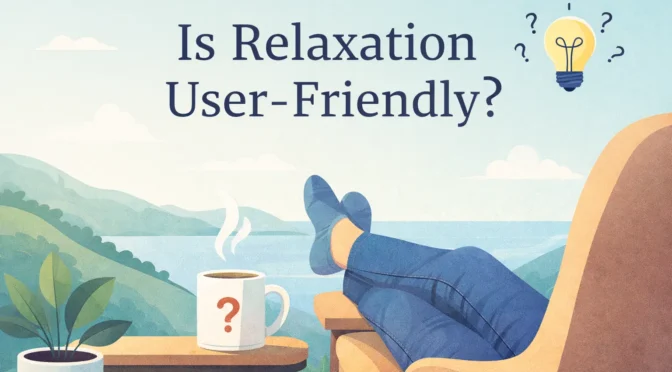
Is Relaxation User Friendly?

Frequently asked questions and answers

  1. Is relaxation safe during Covid 19 lockdown?   Yes, of course.
  2. Will the relaxation stock run out?    No, the more you use the more available.
  3. Is it environmentally friendly?    Yes, apparently no impact on the ozone layer.
  4. How much does relaxation cost?    Do you want to know the retail price or the wholesale price?
  5. What are the opening hours for relaxation?    24/7 and 365.
  6. Is relaxation user friendly?    Yes, but “grumpy restless” users can always make complaints.
  7. Would the neighbours complain if I relax?    Keep it a secret.
  8. Has relaxation been laboratory tested?    No.
  9. I don’t know how to relax!    Is that a question or a statement? (In any case refer to the previous blog on (link).
  10. Are there any side effects of relaxation?   None identified so far.
  11. Do I need a prescription from my GP to relax?    Please check with your GP.
  12. Is it available over the counter?    Please check with your local pharmacist.
  13. Is it covered by Medicare/health care card?    No.
  14. Can I relax while driving?    Yes, no evidence to suggest no.
  15. Is there any evidence of overdose?    No, no evidence to suggest yes.
  16. What will happen if I relax all the time?    The best person to ask is your partner.
  17. Where does relaxation come from?    Apparently from cosmos.
  18. Is relaxation LGBT friendly?    Yes, No discrimination against sexual orientation.
  19. Is it suitable during pregnancy?    Absolutely yes, so far, no complaints from newborn babies.
  20. What is the best time to relax?    Right now.
  21. Will I get tired of relaxation?    No evidence to suggest yes or no.
  22. How long will it take to relax?    Apparently, it is designed to be instant.
  23. Can I relax just thinking about relaxation?    Yes, absolutely.
  24. What will happen if all human beings on this earth relax?    This is a hard question to answer, let me take a deep breath first…..

Five Easy Methods to Manage Stress

Five Easy Methods to Manage Stress

Stress has become a constant companion in today’s fast‑paced world, affecting both physical and emotional wellbeing. When stress becomes long‑term, it can contribute to a wide range of difficulties — from chronic pain and sleep disturbances to anxiety, burnout, irritability, and low mood. Understanding how stress affects the body is the first step toward managing it effectively.

How Long‑Term Stress Affects the Body

When the brain perceives a threat — real or imagined — it activates the stress response. Stress hormones and inflammatory chemicals are released to protect you, but when this response continues for too long, it begins to take a toll.

During stress, the body shifts into survival mode:

  • Blood flow moves to the arms and legs to prepare for “fight or flight”
  • Heart rate, blood pressure, and breathing increase
  • Immune function weakens, reducing the body’s ability to fight illness
  • Reproductive and growth processes slow down
  • Blood flow to the forebrain decreases, reducing clarity and rational thinking

This response is meant to be temporary. When stress becomes chronic, the body needs deliberate support to return to balance.

Five Simple Methods to Reduce Stress

  1. Change Your Posture

Sitting upright, lifting your head, and opening your chest can interrupt intense emotional states. This physical shift signals to the brain that the threat has passed, helping reduce stress hormones.

  1. Put on a Smile

Even a gentle, intentional smile can disrupt cortisol production and activate calming neural pathways. Many people feel immediate relief simply by shifting facial expression.

  1. Take Deep, Slow Breaths

Diaphragmatic breathing — especially when the exhale is longer than the inhale — activates the parasympathetic nervous system. Ten slow breaths before bed and upon waking can significantly reduce tension.

  1. Engage Your Senses

Use your senses to anchor yourself in the present moment. Listen to music, enjoy calming scents, touch something soothing, savour a flavour, or spend time outdoors. Sensory grounding helps quiet the mind.

  1. Practice Mindfulness and Emotional Labelling

Gently naming your emotions (“I feel tense,” “I feel overwhelmed”) activates rational thinking and supports emotional regulation. This simple practice helps you respond rather than react.

Consistency Creates Change

The brain forms new habits through repetition. Practising these techniques daily for at least 21 days strengthens neural pathways that support calm, clarity, and resilience. If stress becomes overwhelming or leads to persistent low mood, seeking professional support can make a meaningful difference.

Prioritise your wellbeing. Small, consistent actions can create profound shifts in how you feel and function.