All posts by admin

Overcome Anxiety and Depression

Break Free from Depression and Anxiety: Your Journey to Healing

At our hypnotherapy practice, available both online and in-person, we understand the profound impact of depression and anxiety on your well-being. Our therapeutic interventions are designed to help you overcome these challenges and expedite your healing process. We apply an integrated approach to maximise the benefits and recovery. Our specialised techniques combine clinical hypnotherapy, cognitive behavioural therapy (CBT), emotional freedom techniques, and Neuro-Linguistic Programming (NLP). Hypnotherapy sessions allow us to uncover and address the root causes of your distress, reprogram negative thought patterns, and release suppressed emotions.

Personalised Support for Mental and Emotional Well-being

Psychotherapy techniques, including CBT, help you recognise negative thought patterns, understand the roots of your distress, and develop healthier coping mechanisms. NLP techniques transform your mindset by reframing limiting beliefs and installing positive patterns, boosting confidence, and enhancing emotional regulation. We create a safe space for you to explore your emotions and regain control over your life. Our comprehensive approach ensures effective emotional processing, builds resilience against future stressors, and promotes overall mental and emotional well-being. We are committed to supporting you on your path to recovery, helping you break free from anxiety and depression, and reclaim a life filled with joy and fulfillment.

Contact us today to start your journey towards mental and emotional well-being, whether you prefer online or in-person sessions.

Release Stress & Negative Emotions

Transform Your Life by Releasing Stress

We offer both online and face-to-face hypnotherapy sessions to release stress and detox negative emotions, fostering a happy and peaceful life. Hypnotherapy is a powerful method for managing stress and detoxing negative emotions by accessing the subconscious mind, where deep-seated emotions and memories reside. During a hypnotherapy session, individuals enter a state of deep relaxation and heightened suggestibility, allowing us to uncover and address unresolved emotions contributing to distress. This process reprograms negative thought patterns and releases suppressed emotions, facilitating emotional detoxification, fostering inner peace, and enhancing clarity.

Detox Your Negative Emotions

Our psychotherapy techniques, available both online and in-person, help individuals recognise negative thought patterns, understand the roots of their emotional distress, and develop healthier coping mechanisms. This therapeutic process alleviates symptoms of emotional distress and stress while promoting long-term emotional resilience and a balanced, fulfilling life.

By combining hypnotherapy and psychotherapy, we offer a comprehensive approach to managing stress and detoxing negative emotions. Together, these therapies ensure effective emotional processing, build resilience against future stressors, and promote overall mental and emotional well-being. This integrative method empowers individuals to achieve a more balanced, peaceful, and fulfilling life.

What is hypnosis and hypnotherapy?

Hypnosis, a fascinating human condition, offers a profound opportunity for personal transformation. With its ability to enhance focus, reduce peripheral awareness, and open up the mind to suggestion, hypnosis has become a valuable tool in therapeutic practice. This is where the concept of “hypnotherapy” comes into play.

Hypnotherapy utilises the state of hypnosis for therapeutic purposes, enabling individuals to tap into their subconscious minds and unlock their true potential. It begins with a process called a hypnotic induction, involving a series of instructions and suggestions that guide the individual into a state of deep focus and receptivity.

Once in this hypnotic state, the individual becomes highly responsive to the hypnotist’s instructions, entering a realm where their attention is solely directed towards the suggestions given. In this state, their perception of the environment is narrowed down, and they experience heightened senses in alignment with the hypnotist’s guidance.

The impact of hypnosis extends beyond sensory changes. The individual’s memory and self-awareness can be altered through suggestion. These effects can influence various aspects of their waking life, such as emotions, sensations, beliefs, and habits, fostering positive changes that carry over into their daily experiences.

It’s important to note that during hypnosis, the individual remains fully aware and in control. They have the ability to accept or reject suggestions, ensuring their comfort and safety throughout the session. Hypnosis is a completely natural state that poses no side effects or risks, making it a recognized and medically accepted alternative therapy option.

Hypnotherapy opens up a world of possibilities for personal growth, healing, and transformation. Whether you seek to overcome fears, break free from limiting beliefs, or enhance your well-being, hypnosis can be a powerful tool to facilitate positive change.

If you’re curious about the potential benefits of hypnotherapy, don’t hesitate to explore this remarkable therapeutic approach. Experience the profound impact of hypnosis and embark on a journey of self-discovery and empowerment. Discover how your subconscious mind holds the key to unlocking your true potential and embrace a brighter, more fulfilling life.

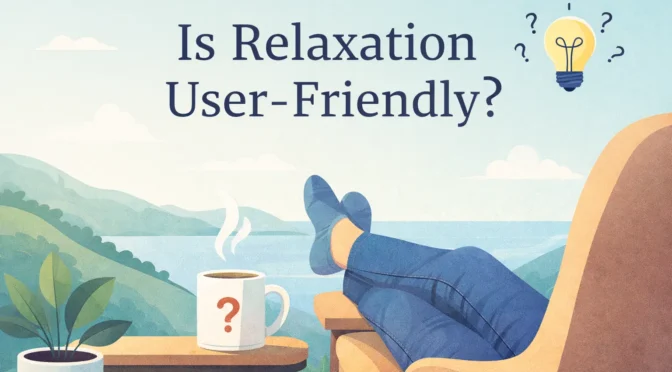
Is Relaxation User Friendly?

Frequently asked questions and answers

  1. Is relaxation safe during Covid 19 lockdown?   Yes, of course.
  2. Will the relaxation stock run out?    No, the more you use the more available.
  3. Is it environmentally friendly?    Yes, apparently no impact on the ozone layer.
  4. How much does relaxation cost?    Do you want to know the retail price or the wholesale price?
  5. What are the opening hours for relaxation?    24/7 and 365.
  6. Is relaxation user friendly?    Yes, but “grumpy restless” users can always make complaints.
  7. Would the neighbours complain if I relax?    Keep it a secret.
  8. Has relaxation been laboratory tested?    No.
  9. I don’t know how to relax!    Is that a question or a statement? (In any case refer to the previous blog on (link).
  10. Are there any side effects of relaxation?   None identified so far.
  11. Do I need a prescription from my GP to relax?    Please check with your GP.
  12. Is it available over the counter?    Please check with your local pharmacist.
  13. Is it covered by Medicare/health care card?    No.
  14. Can I relax while driving?    Yes, no evidence to suggest no.
  15. Is there any evidence of overdose?    No, no evidence to suggest yes.
  16. What will happen if I relax all the time?    The best person to ask is your partner.
  17. Where does relaxation come from?    Apparently from cosmos.
  18. Is relaxation LGBT friendly?    Yes, No discrimination against sexual orientation.
  19. Is it suitable during pregnancy?    Absolutely yes, so far, no complaints from newborn babies.
  20. What is the best time to relax?    Right now.
  21. Will I get tired of relaxation?    No evidence to suggest yes or no.
  22. How long will it take to relax?    Apparently, it is designed to be instant.
  23. Can I relax just thinking about relaxation?    Yes, absolutely.
  24. What will happen if all human beings on this earth relax?    This is a hard question to answer, let me take a deep breath first…..

Five Easy Methods to Manage Stress

Five Easy Methods to Manage Stress

In today’s fast-paced world, stress has become a common enemy, impacting our physical and psychological well-being. Long-term stress can lead to various difficulties and illnesses, both physically and mentally.

Physically, stress can manifest as chronic pain, headaches, sleep disturbances, heart issues, skin problems, and more. Psychologically, it can cause anxiety, anger issues, burnout, low energy levels, difficulty concentrating, and even symptoms of depression. The prevalence of stress-related illnesses highlights the urgent need to manage stress effectively.

Understanding how long-term stress affects the body is fascinating. It starts with our senses interpreting the environment and perceiving potential threats, even if they are imaginary. In response, the brain releases stress hormones and inflammatory agents to protect us. However, this protective mechanism can have detrimental effects if it persists for a prolonged period.

When under stress, our body undergoes changes to prepare for the perceived threat:

  • Blood flow shifts to our arms and legs, preparing us for a “fight or flight” response.
  • Heart rate, blood pressure, and breathing rate increase, readying us for action.
  • Energy is diverted from the immune system, weakening our ability to fight infections.
  • The reproductive system and growth processes are suppressed, affecting libido and overall well-being.
  • Blood flow to the forebrain is reduced, activating emotional responses and diminishing rational thinking.

It’s crucial to note that stress reactions are not designed to last forever. Our bodies have a natural ability to regulate stress and return to normal functioning once the threat has passed. However, when stress becomes chronic, deliberate actions are required to manage its intensity effectively.

Here are five simple methods to help manage stress:

  1. Change your posture: Alter your posture, sit up straight, lift your head, and gently push your chest forward. This physical activity disrupts intense emotions and signals to the brain that stress hormones may no longer be necessary.
  2. Put on a smile: Even a fake smile can confuse and disrupt the cortisol production and circulation process. “Fake it until you make it” – many individuals experience instant relief and a sense of calmness by changing their posture and putting a smile on their face.
  3. Take deep breaths: Practice diaphragmatic breathing, where the exhalation is longer than the inhalation. This activates the parasympathetic nervous system, promoting relaxation and helping to lower heart rate and blood pressure. Incorporate ten deep breaths into your daily routine, especially before sleep and upon waking up.
  4. Engage your senses: Deliberately involve your senses – hearing, touch, smell, taste, and sight. Inhale calming scents, enjoy music, play with pets, go for walks, engage in creative activities, and immerse yourself in the present moment. This distracts the mind and helps induce a calmer state of being.
  5. Practice mindfulness and emotional labeling: Be mindful of your emotions, neutrally observe and label them using words. By consciously focusing on your emotions, you activate rational thinking and effective emotional regulation. This empowers you to take control of your thoughts and feelings.

Regular practice is key for long-lasting effects. Our brains have the ability to restructure and strengthen neurons, forming new habits. Consistent training strengthens these neural connections, while neglecting them weakens and deteriorates the connections. Aim to make relaxation techniques a habit, practicing them daily for at least 21 days.

If stress becomes chronic and leads to conditions like depression, seeking professional assistance is essential.

Take charge of managing stress and prioritize your well-being. Implement these simple methods into your daily routine, and experience the positive changes they can bring. Remember, your mental and physical health are worth investing in.