
☰
Five Easy Methods to Manage Stress
Stress has become a constant companion in today’s fast‑paced world, affecting both physical and emotional wellbeing. When stress becomes long‑term, it can contribute to a wide range of difficulties — from chronic pain and sleep disturbances to anxiety, burnout, irritability, and low mood. Understanding how stress affects the body is the first step toward managing it effectively.
How Long‑Term Stress Affects the Body
When the brain perceives a threat — real or imagined — it activates the stress response. Stress hormones and inflammatory chemicals are released to protect you, but when this response continues for too long, it begins to take a toll.
During stress, the body shifts into survival mode:
This response is meant to be temporary. When stress becomes chronic, the body needs deliberate support to return to balance.
Five Simple Methods to Reduce Stress
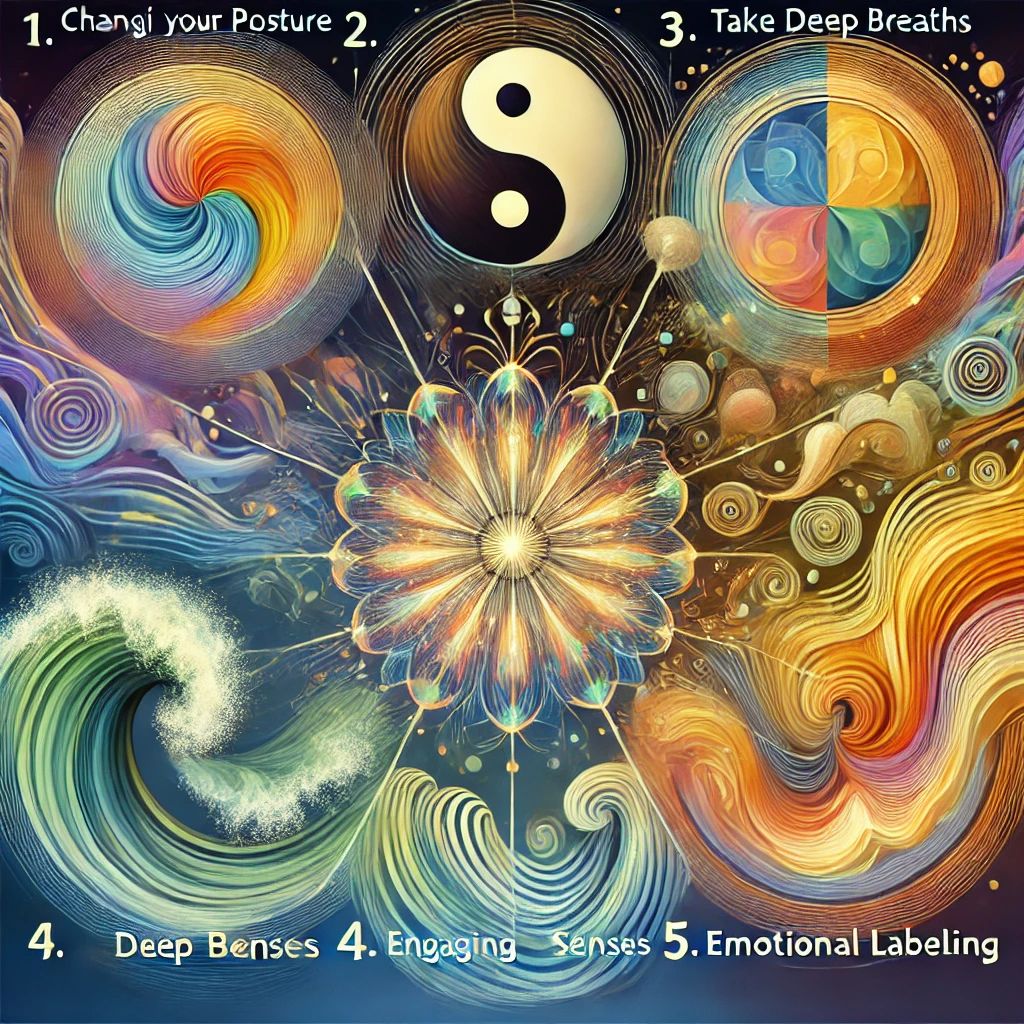
Sitting upright, lifting your head, and opening your chest can interrupt intense emotional states. This physical shift signals to the brain that the threat has passed, helping reduce stress hormones.
Even a gentle, intentional smile can disrupt cortisol production and activate calming neural pathways. Many people feel immediate relief simply by shifting facial expression.
Diaphragmatic breathing — especially when the exhale is longer than the inhale — activates the parasympathetic nervous system. Ten slow breaths before bed and upon waking can significantly reduce tension.
Use your senses to anchor yourself in the present moment. Listen to music, enjoy calming scents, touch something soothing, savour a flavour, or spend time outdoors. Sensory grounding helps quiet the mind.
Gently naming your emotions (“I feel tense,” “I feel overwhelmed”) activates rational thinking and supports emotional regulation. This simple practice helps you respond rather than react.
Consistency Creates Change
The brain forms new habits through repetition. Practising these techniques daily for at least 21 days strengthens neural pathways that support calm, clarity, and resilience. If stress becomes overwhelming or leads to persistent low mood, seeking professional support can make a meaningful difference.
Prioritise your wellbeing. Small, consistent actions can create profound shifts in how you feel and function.
 0423 390 134
 contact@evolvingmindz.com